How to Manually Open a Garage Door: Step-by-Step
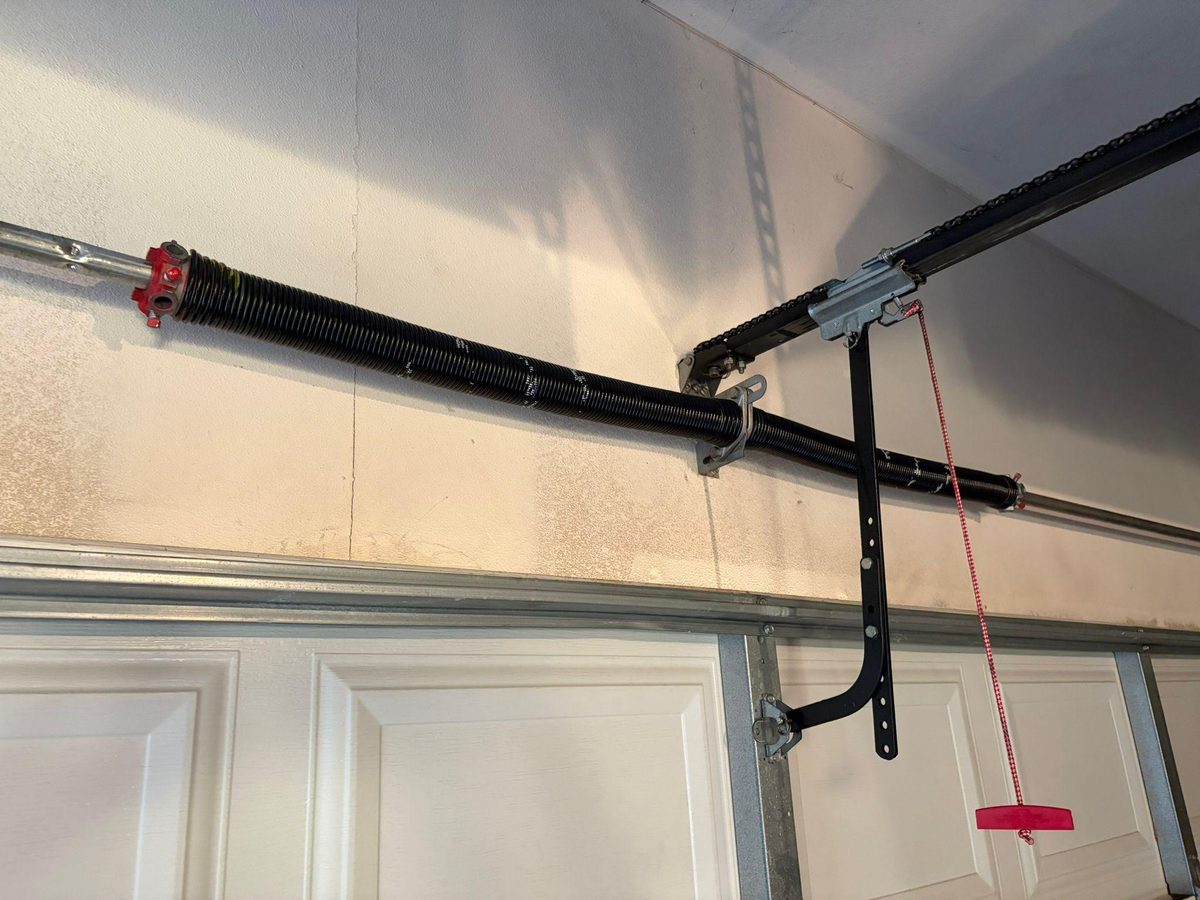
To manually open a garage door, pull the red emergency release cord hanging from the opener trolley to disconnect the door from the drive, then lift the door straight up by hand. Only do this when the door is fully closed and the spring is intact. If a spring is broken, stop and call a technician, because the door can weigh 150 to 400 pounds without spring assistance.
When the power goes out, your opener fails, or an emergency situation leaves you stuck in or out of your garage, knowing how to manually open a garage door can make all the difference. Every residential garage door in San Diego, from a 1970s bungalow in North Park to a newer two-car home in Poway or Santee, has a built-in manual release that lets you bypass the electric opener entirely.
This guide walks you through the exact process from start to finish, flags the one scenario where you should not attempt it yourself, and explains when the underlying problem needs a professional fix rather than a workaround.
Why You Might Need to Open Your Garage Door Manually
The most common reason San Diego homeowners need to open their garage door by hand is a power outage. SDG&E rolling shutoffs during summer heat waves can knock out power in inland communities like El Cajon, Escondido, and Santee for hours at a time. But power loss is only one trigger. Here are the most frequent situations:
- Power outage or tripped circuit: The opener gets no electricity. This is the easiest case; once power returns, the door reconnects automatically on most units.
- Dead opener motor or circuit board: The opener is plugged in but will not respond to the remote or wall button. You will need to go manual until a technician can assess the unit.
- Broken spring: A snapped spring often trips the opener's overload protection, making the motor appear dead. The spring, not the opener, is the real problem. See the safety note below before you do anything.
- Remote or keypad stopped working: Dead batteries, a lost remote, or a failed keypad can lock you out. If you cannot reach the wall button from inside, the manual release is your backup.
- Opener removed or disconnected during renovation: Contractors sometimes unplug or remove the opener while working overhead. The red cord is how you keep using the door in the meantime.
Before You Pull the Release Cord: Safety First
Stop here if you suspect the spring is broken. A torsion spring counterbalances the full weight of your garage door, typically 150 to 400 pounds depending on the size and material. When a spring snaps, you will often hear a loud bang, and the door will feel impossibly heavy when you try to lift even an inch. In that situation, do not pull the release cord and attempt to lift the door. A door without working springs can free-fall without warning and cause serious injury. Instead, call Noah Garage Doors at (619) 572-4266 for spring repair. We are available 24/7.
If the spring appears intact, check these things before proceeding:
- Make sure the door is fully closed before releasing it. Pulling the cord while the door is partway up can cause it to drop.
- Look for visible cable damage. If a cable has snapped and is coiled on the floor, the door is unbalanced. This is a job for a technician, not a DIY release.
- Have a helper if the door is a heavy double-car unit. Most doors over 16 feet wide are genuinely hard to lift alone even with springs in good shape.
Step-by-Step: How to Manually Open Your Garage Door
- Find the red emergency release cord. Stand inside the garage and look up at the opener trolley, the plastic carriage that slides along the center rail. A red cord, usually with a red handle, hangs down from it. Some cords have a small padlock hole so you can lock the release from outside, a useful security feature in coastal neighborhoods like Ocean Beach or Mission Beach where break-ins through the garage are common.
- Pull the cord straight down. A firm pull disconnects the door's drive bracket from the trolley. You will feel or hear a click. The cord does not need to be held; once pulled, the door is in manual mode.
- Lift the door by hand. Grip the handle at the bottom or place both palms flat on the lowest panel. Push straight up. The door should rise smoothly along the tracks and stay open at roughly waist height or higher if the springs are properly tensioned. If it slides back down on its own, stop: your springs need attention before you proceed.
- Prop the door open if you need to walk under it. A door that does not hold itself open is a hazard. Clamp a locking pliers on the vertical section of the track just below a roller to prevent the door from closing. Never leave an unsupported door unattended, especially if children or pets are nearby.
- Close the door when you are done. Pull the door down by the inside handle or simply pull it down by hand. Make sure it seats fully in the weatherstripping at the bottom.
How to Close the Door and Re-Engage the Opener
Once the power is restored, or after your opener has been repaired, you need to reconnect the door to the drive system. Most modern openers handle this automatically:
- Press the wall button or your remote. The trolley carriage will travel until it reaches the door's drive bracket and clicks into place. The opener then takes over from that point.
- If it does not catch automatically: Pull the red cord slightly toward the motor head rather than straight down. This moves the carriage hook into a position where the next opener cycle can engage it. Then press the button again.
- Run the door through a full cycle. Open it all the way and close it all the way using the opener. Listen for smooth operation and watch that the door travels straight on both tracks.
- Test the auto-reverse feature. Place a 2x4 flat on the floor in the door's path and close it. The door should reverse when it contacts the board. If it does not, the safety sensors need adjustment before you rely on the opener again. This is especially important for families in areas like La Jolla or Encinitas where children often play in driveways.
When a Manual Workaround Is Not Enough
Manually releasing the door buys you time. It is not a permanent solution. If you are repeatedly needing to open your garage door by hand, something in the system has broken or worn out and needs repair. The most common underlying problems include a failing garage door opener motor or circuit board, a snapped or worn spring, frayed cables, or a door that has come off its tracks. Ignoring these problems tends to make them more expensive over time.
San Diego's climate accelerates wear on certain components. Salt air from the coast, from communities like Coronado and Pacific Beach all the way inland on windy days, corrodes metal springs and cables faster than dry inland climates. Regular garage door maintenance every 12 months catches these issues before they turn into an emergency.
Common Repair Costs After an Opener Failure
Here is a straightforward breakdown of what the most common repairs cost in San Diego when the opener or related components are the culprit. All prices are based on 2026 San Diego market rates.
| Problem | What Broke | San Diego Repair Cost |
|---|---|---|
| Opener runs but door won't move | Logic board, motor, or drive gear | $125 to $350 (repair) |
| Opener beyond economical repair | Full opener replacement, installed | $450 to $950 |
| Door extremely heavy, snapping sound heard | Torsion spring replacement (single) | $220 to $450 |
| Door rattles, sits crooked, jumped off tracks | Off-track repair | $150 to $400 |
| Cables visibly frayed or coiled on floor | Cable replacement (pair) | $150 to $300 |
If you are not sure which component is at fault, the free assessment from Noah Garage Doors will identify the exact issue before any work begins. We never charge for the diagnosis, and the quoted price is the finished price.
Frequently Asked Questions
The red cord is the emergency release, hanging from the trolley on your opener's overhead rail. Pulling it straight down disconnects the door's drive carriage from the trolley, letting you operate the door entirely by hand. Every residential garage door opener is required to have one.
You can pull the release cord, but lifting a door with a broken spring is dangerous. Torsion springs counterbalance the full weight of the door, often 200 to 400 pounds. Without them, the door can drop suddenly and cause serious injury. If a spring has snapped, call a technician instead of trying to lift the door yourself.
If the door slides back down when you let go, your spring tension is too low or a spring has broken. A properly balanced door should hold at roughly waist height with light pressure. This is a clear sign the springs need adjustment or replacement before the opener will work reliably again.
Most openers reconnect on their own: just press the wall button or remote. The trolley carriage will re-engage the door's drive bracket as the opener runs. If it does not catch, pull the red cord slightly toward the motor head to reposition the carriage, then try the opener again. If the door still will not engage, the opener may need professional attention.
Our Garage Door Services in San Diego
About Noah Garage Doors: Locally owned and operated, serving all of San Diego County. Call or text (619) 572-4266 or email Noahgaragedoors@gmail.com.